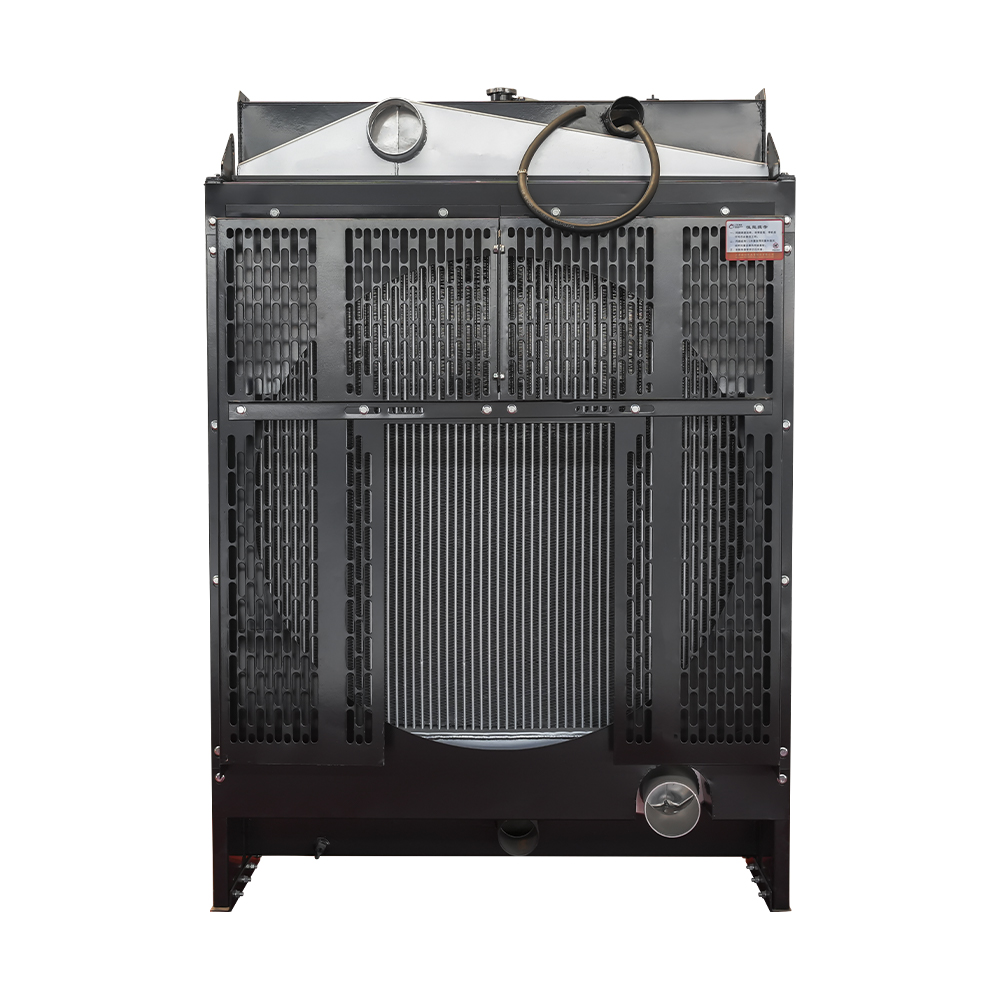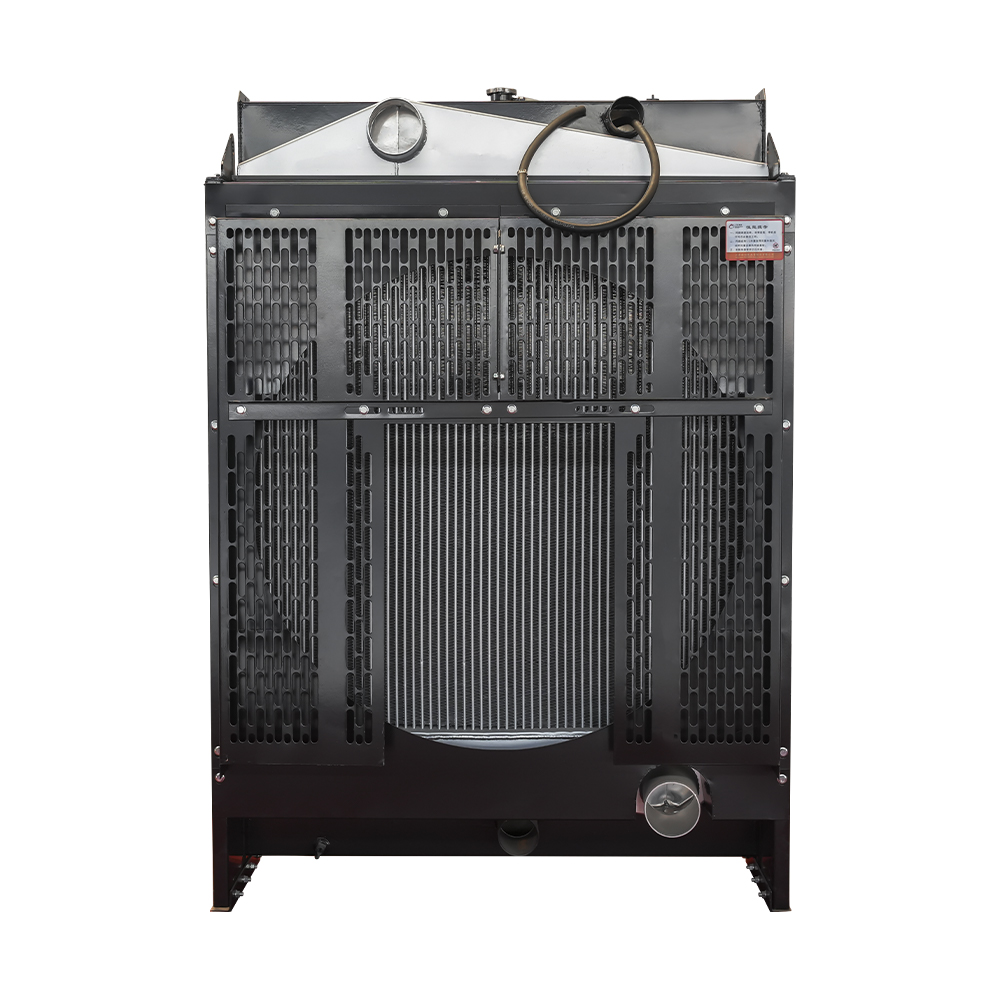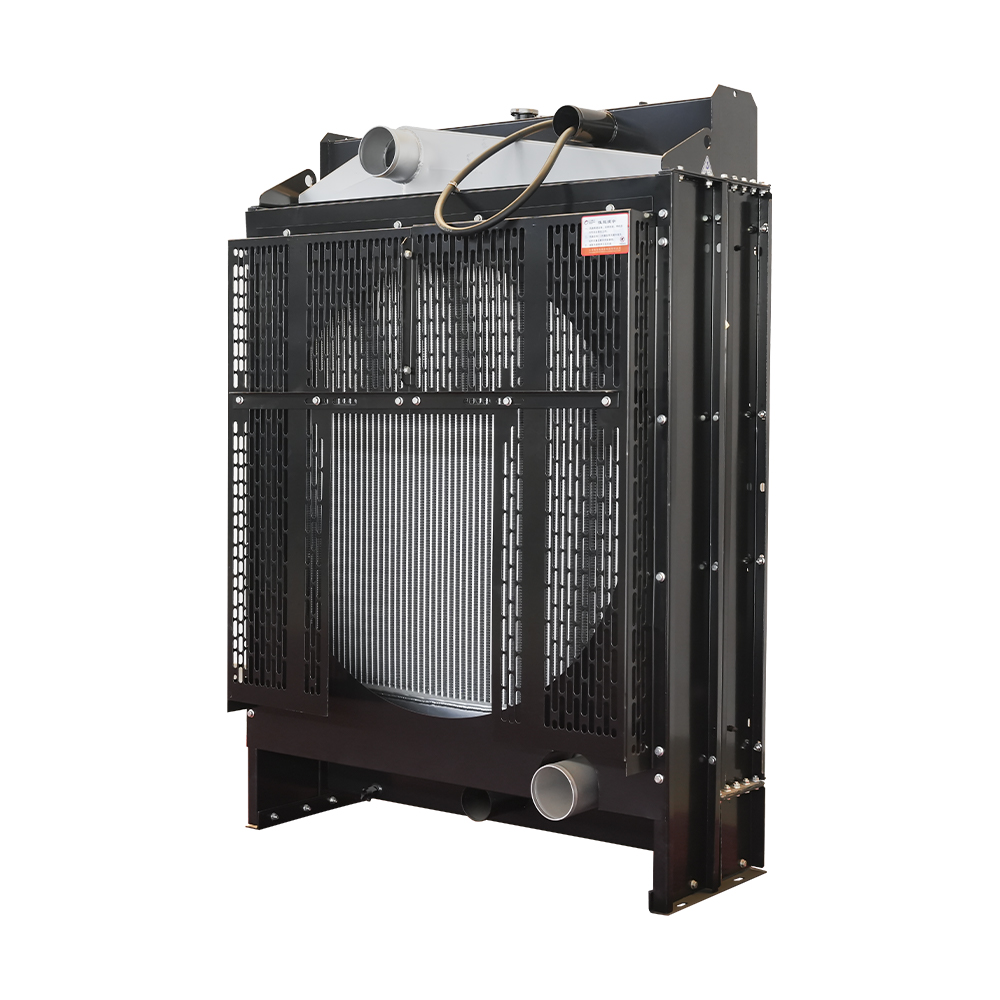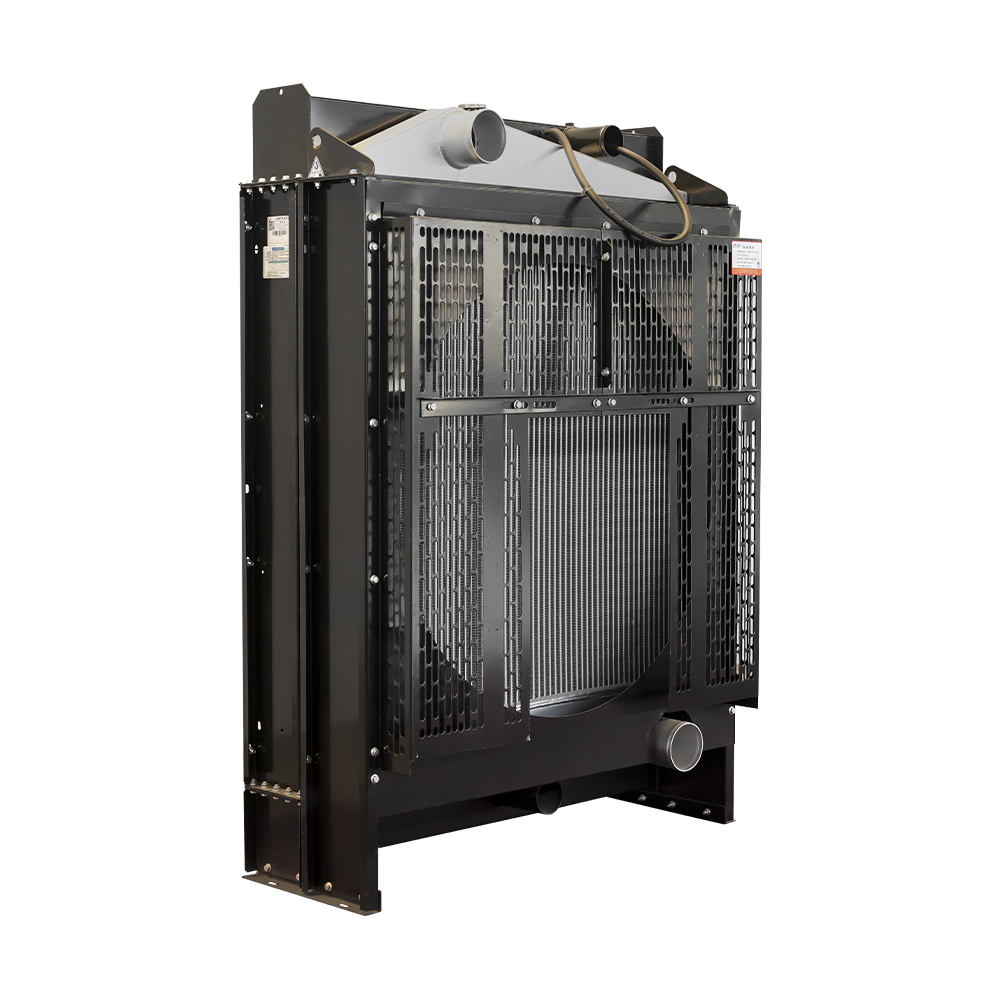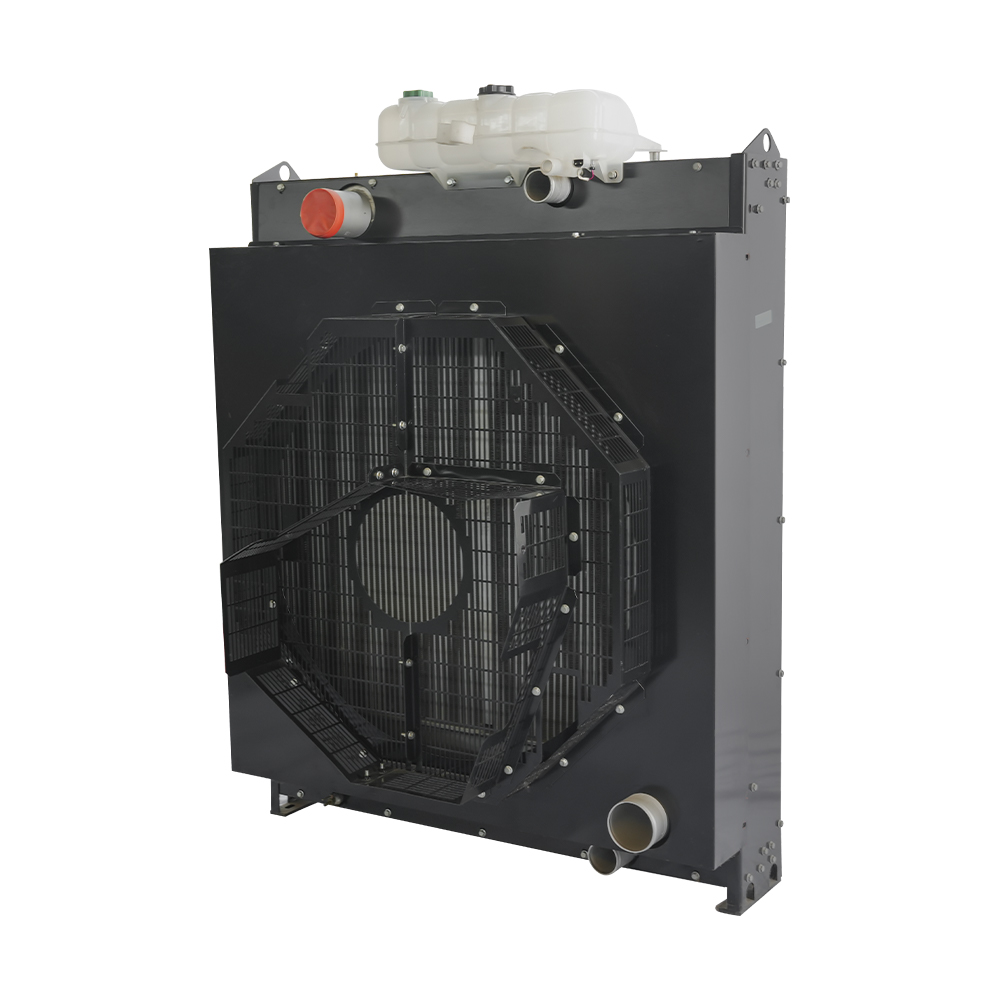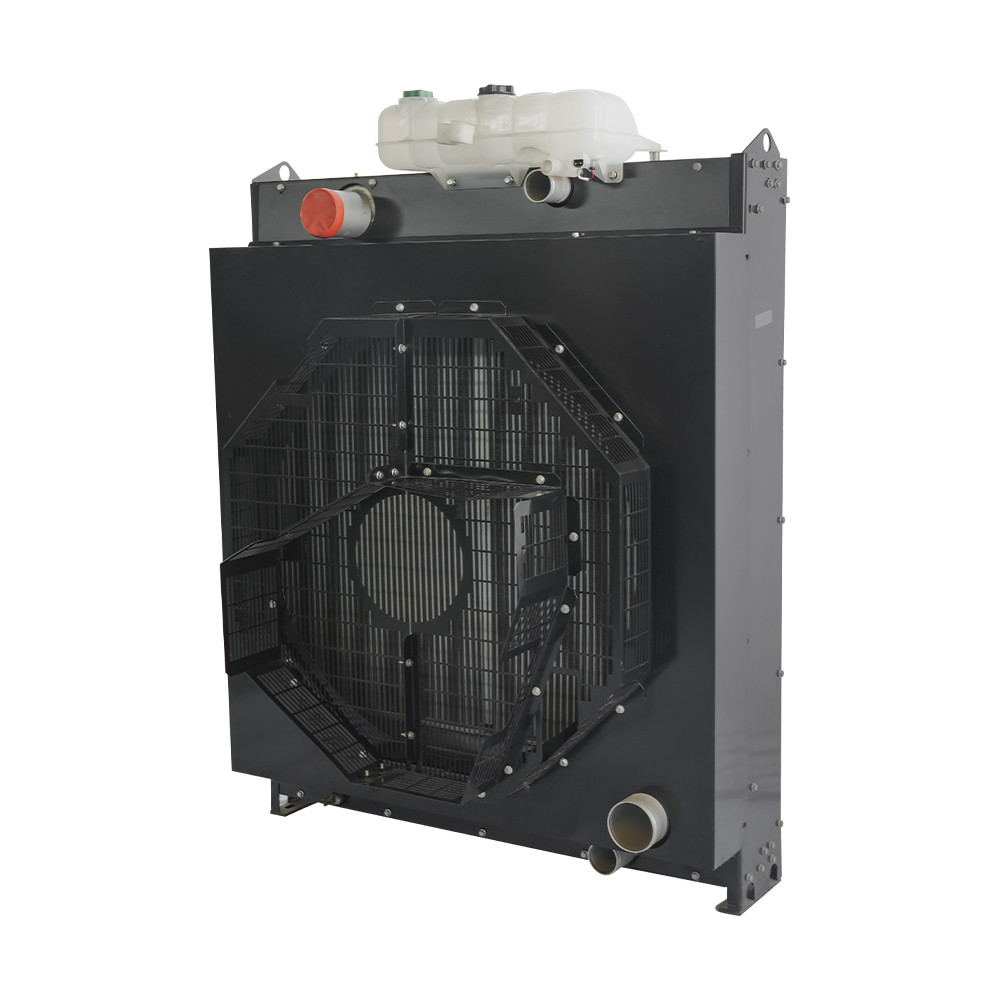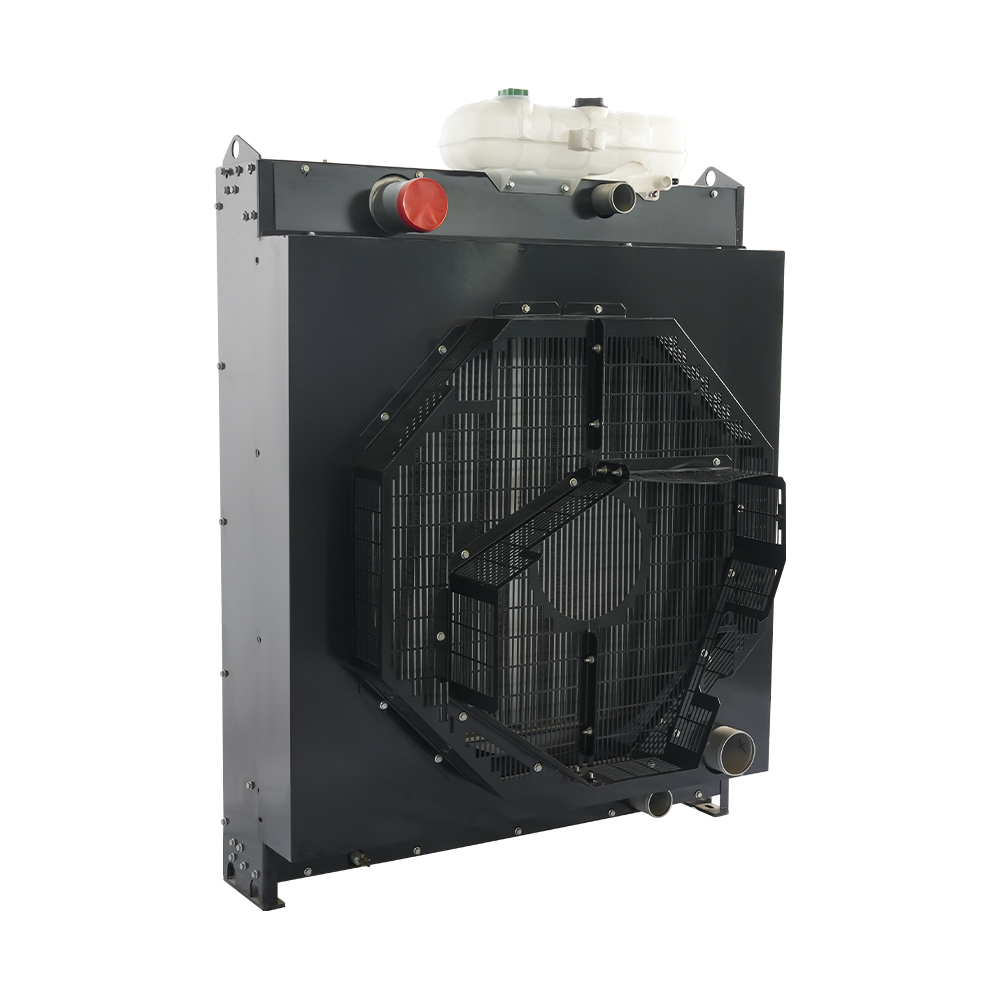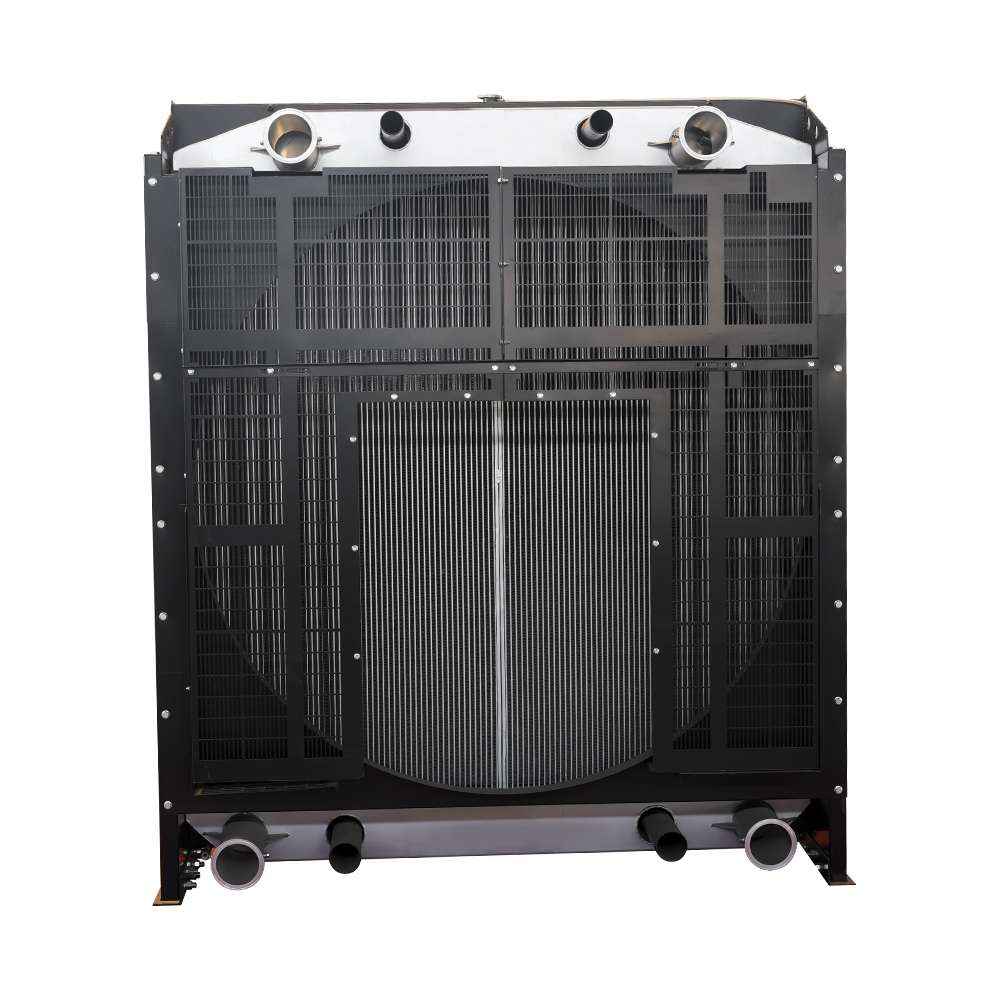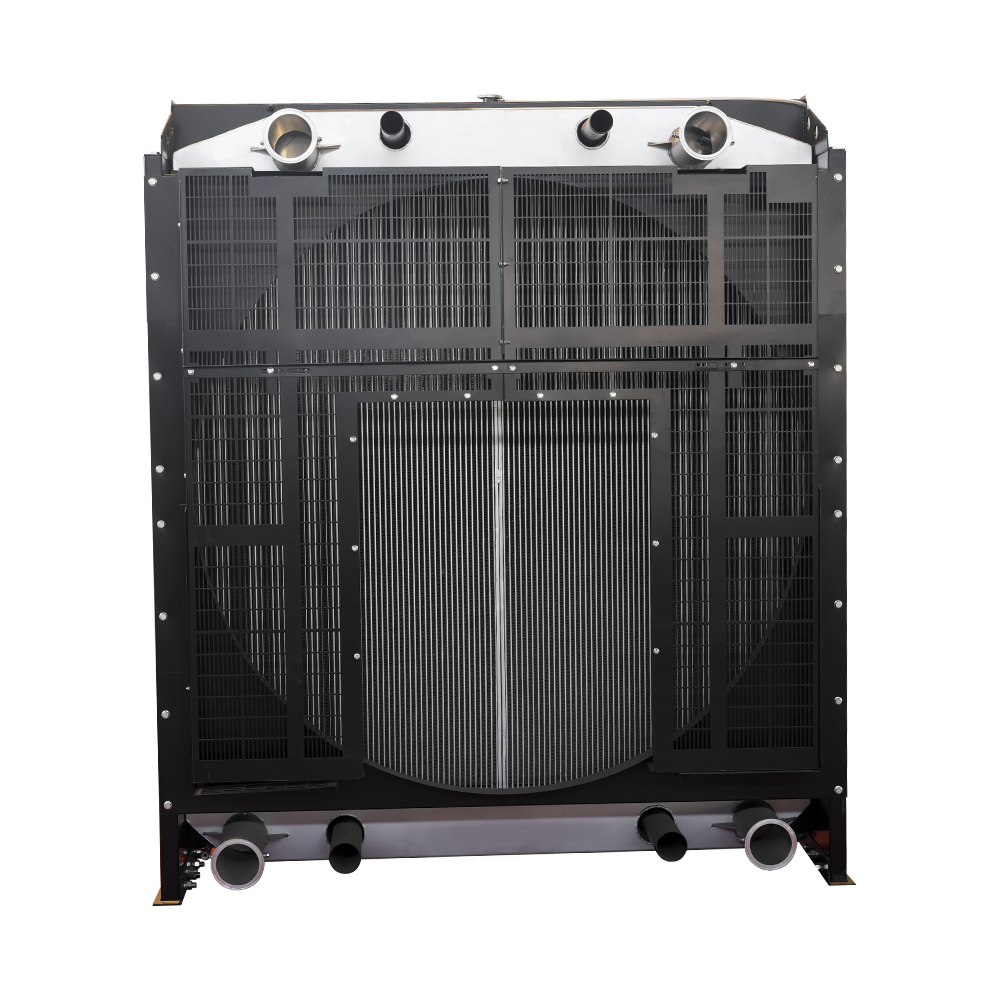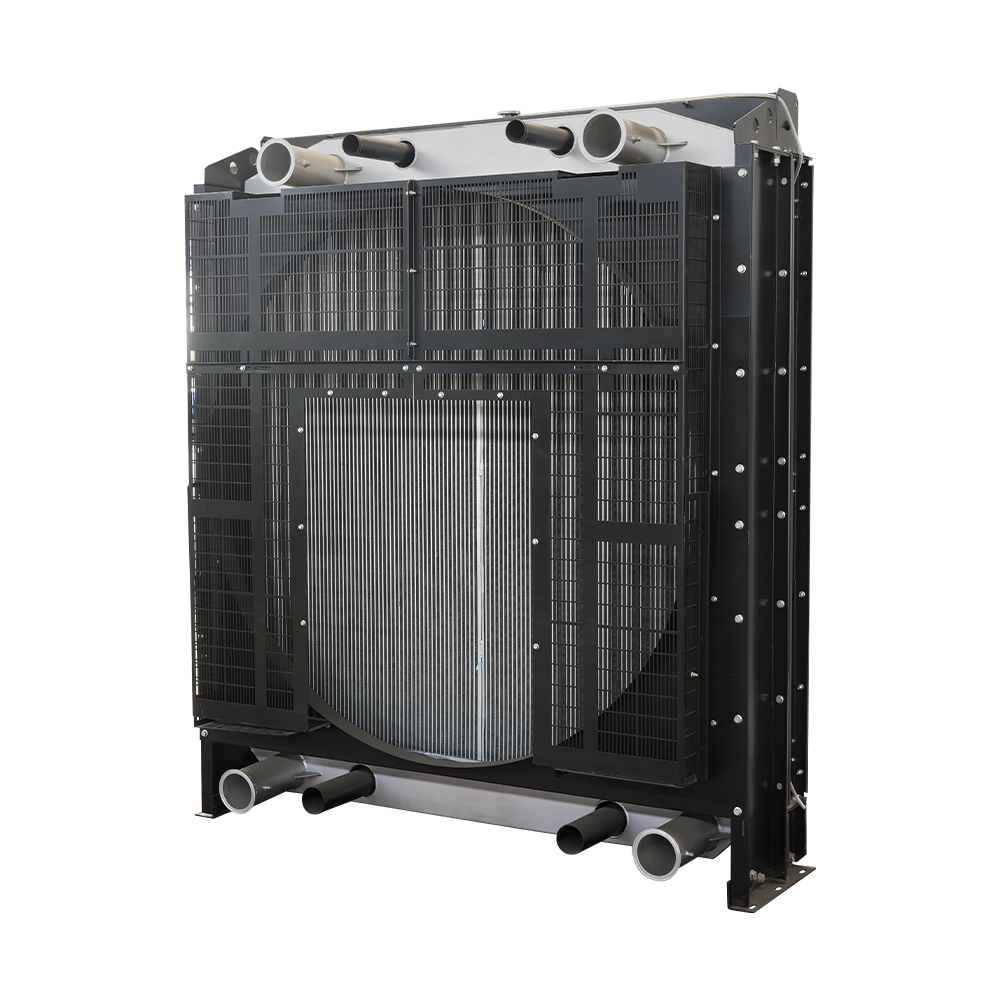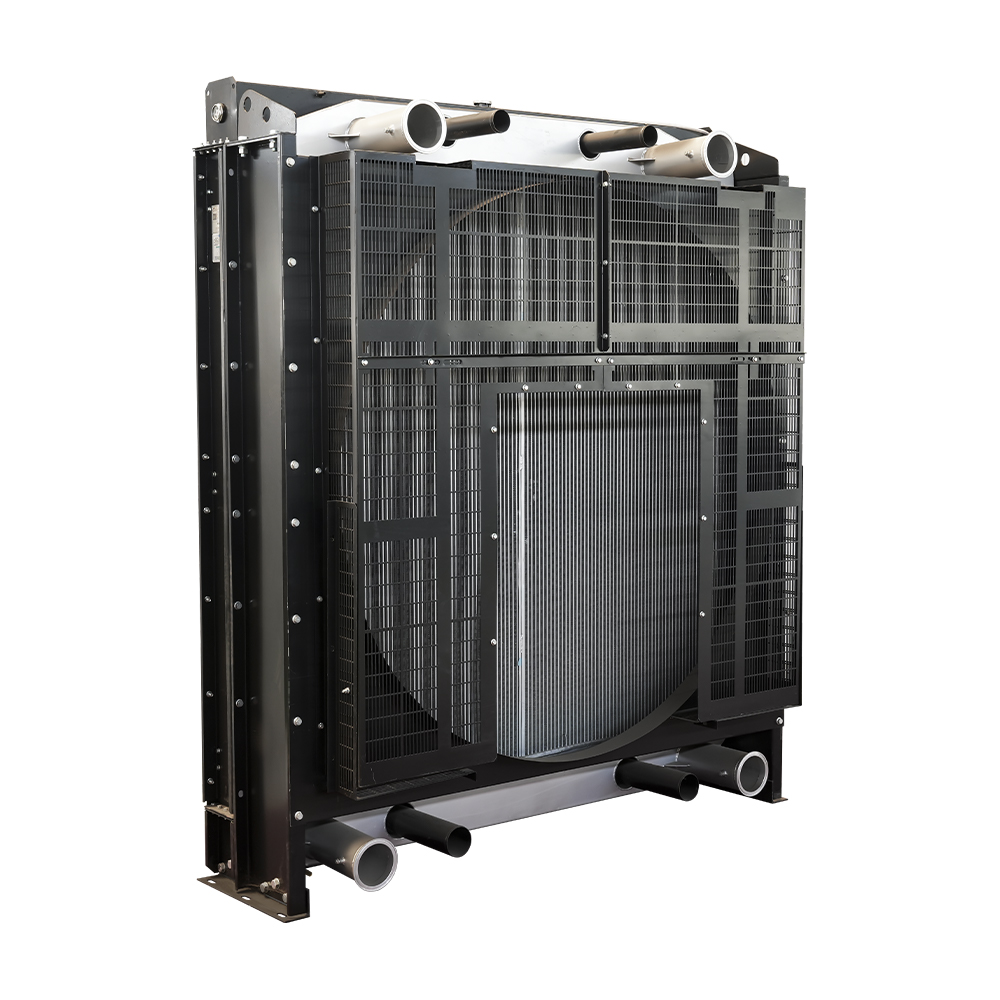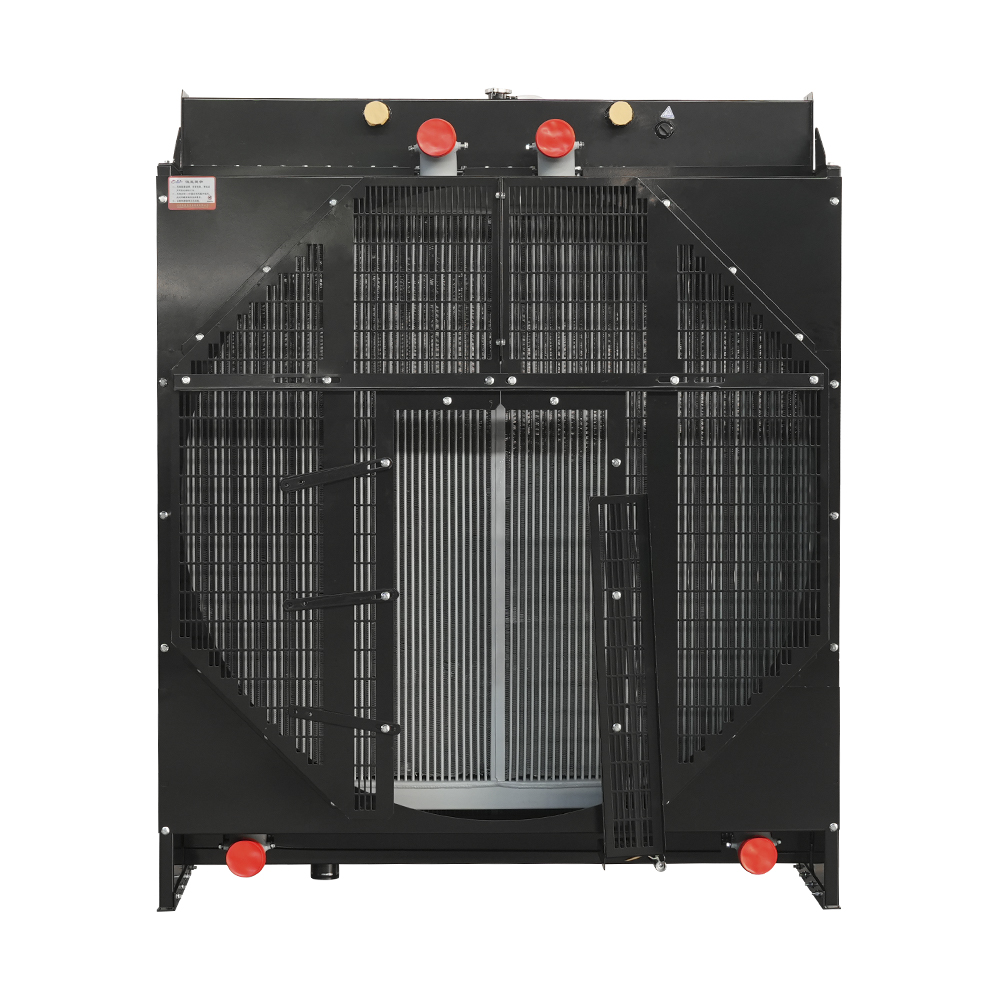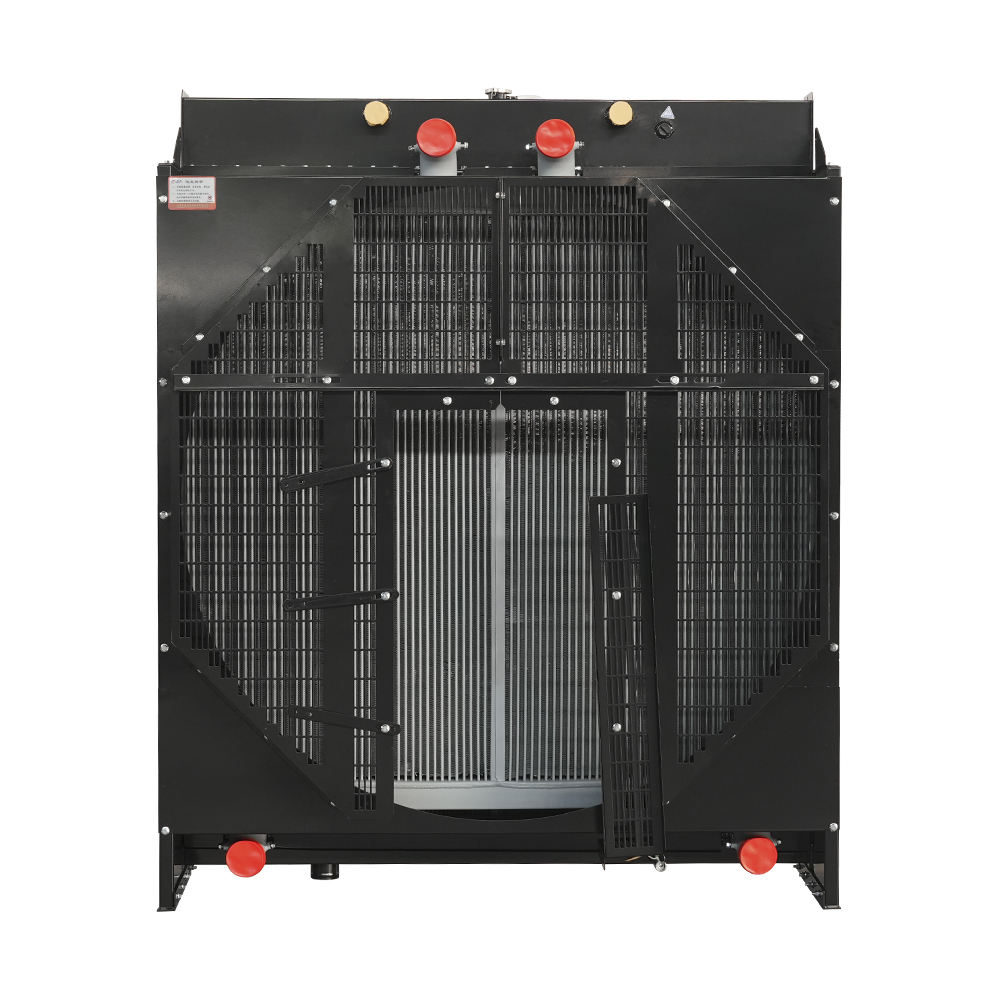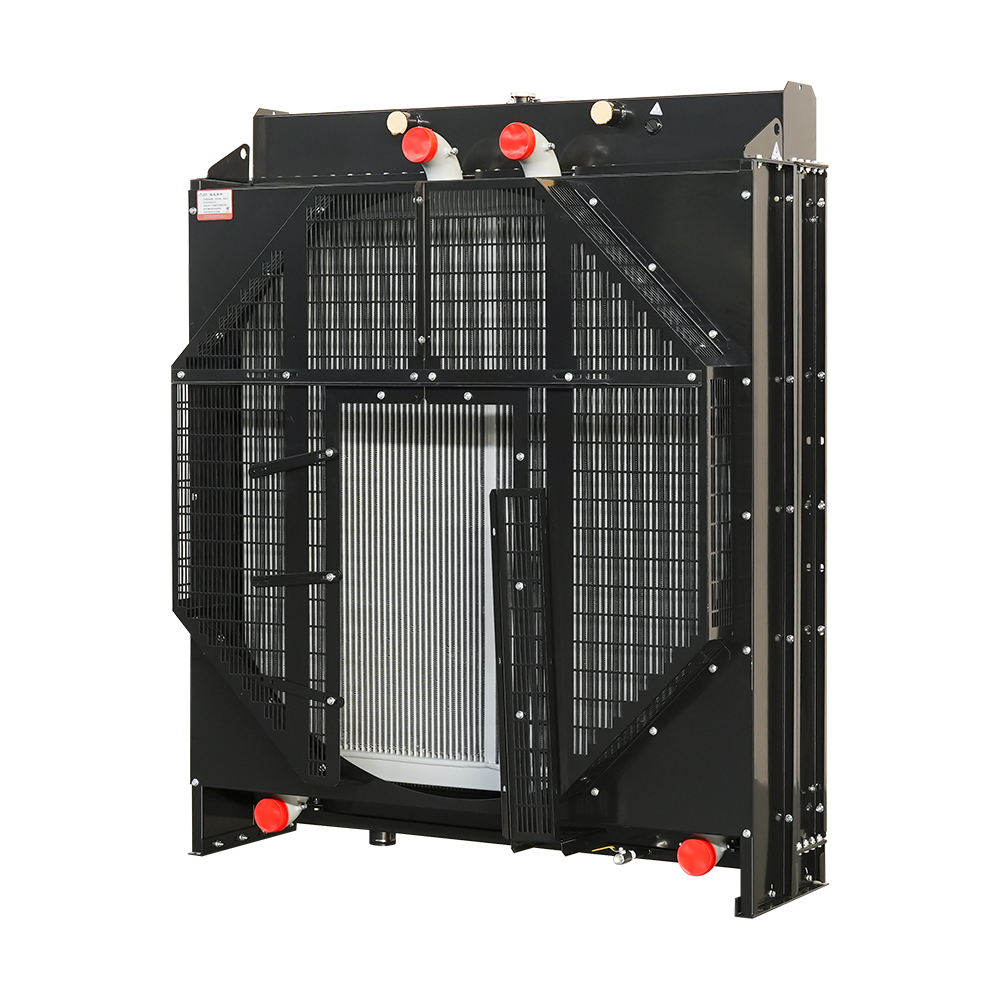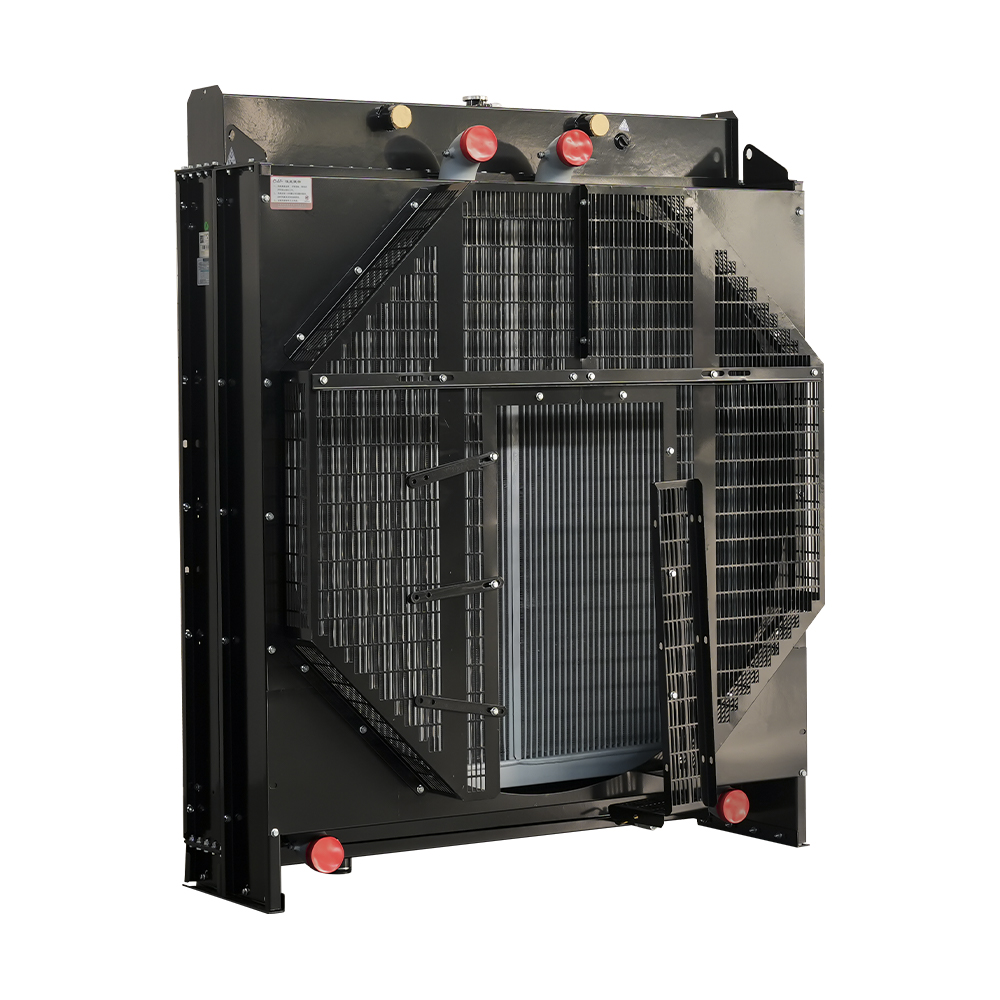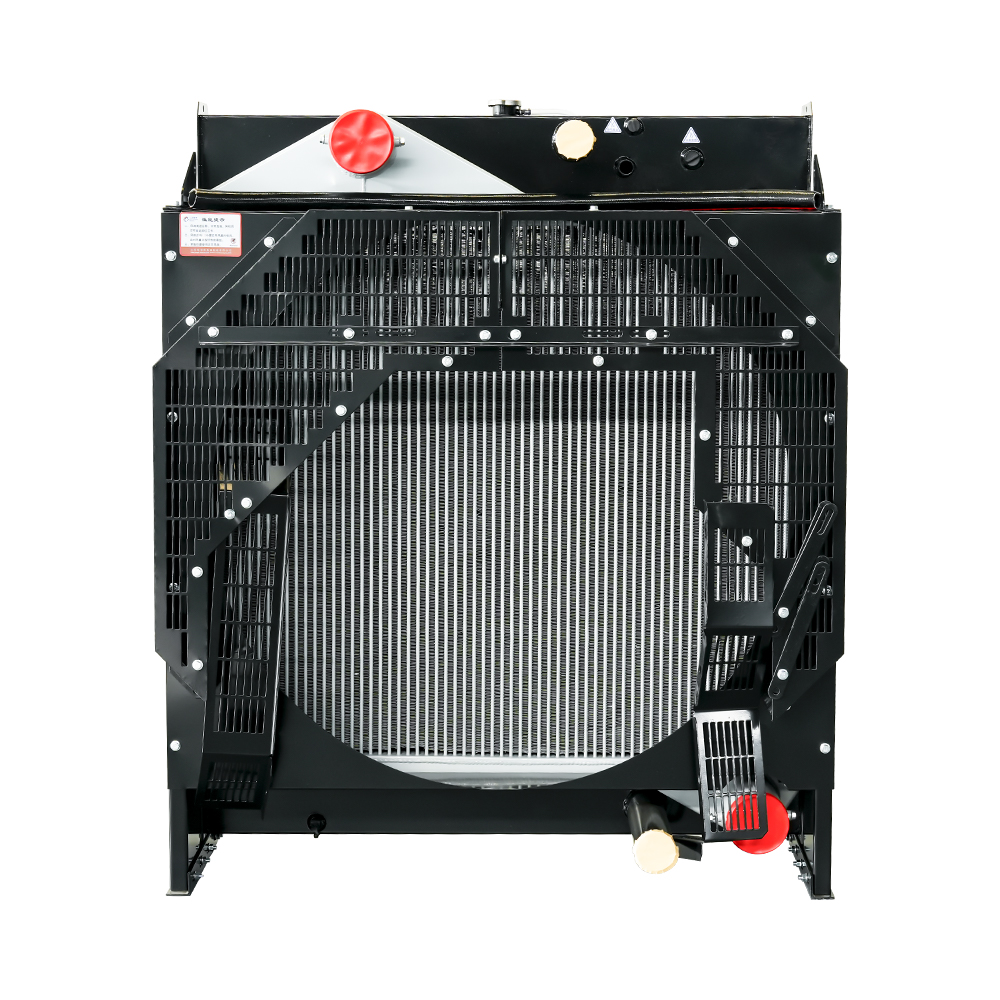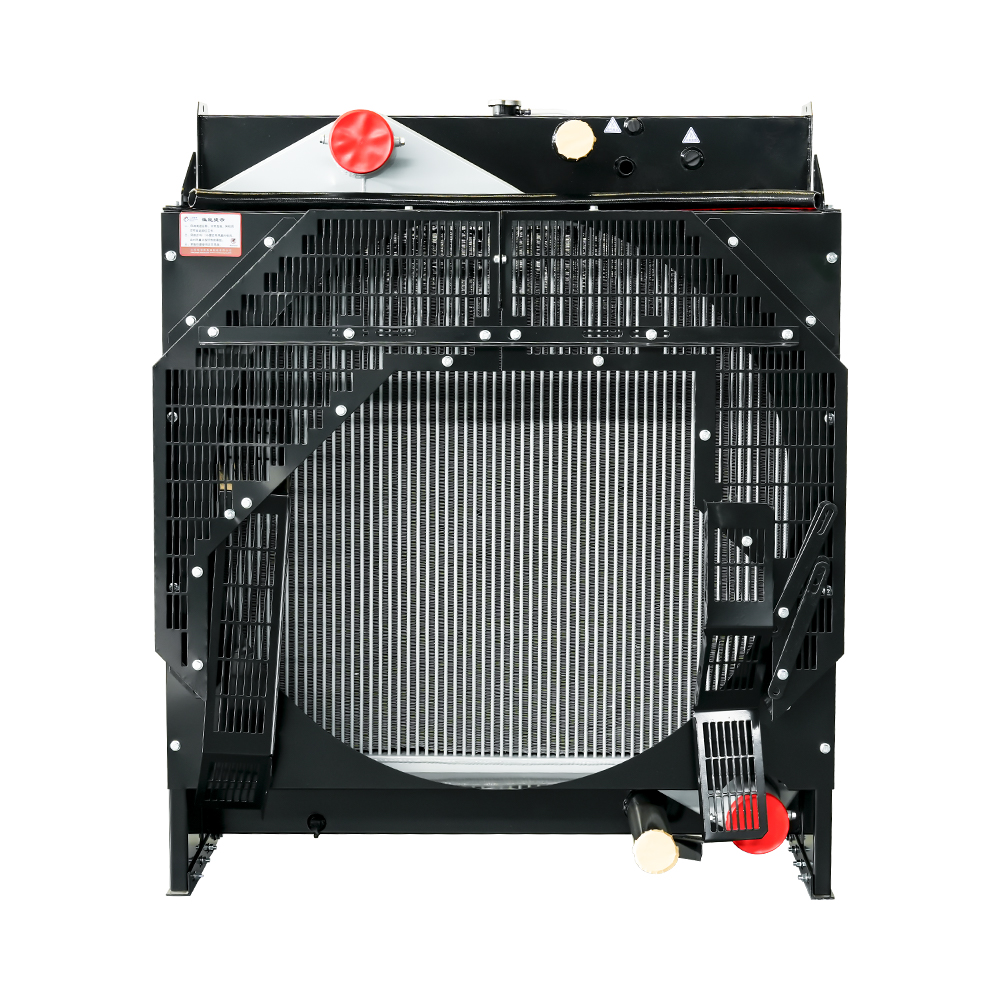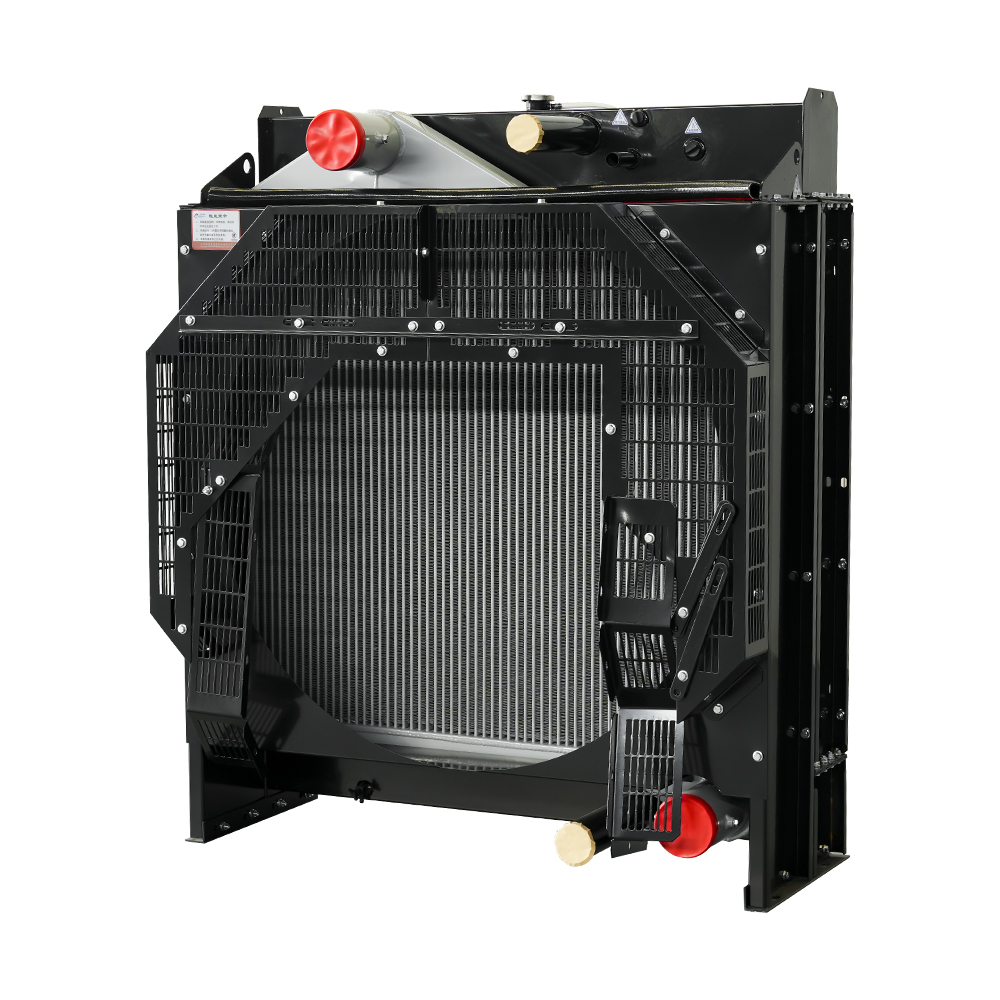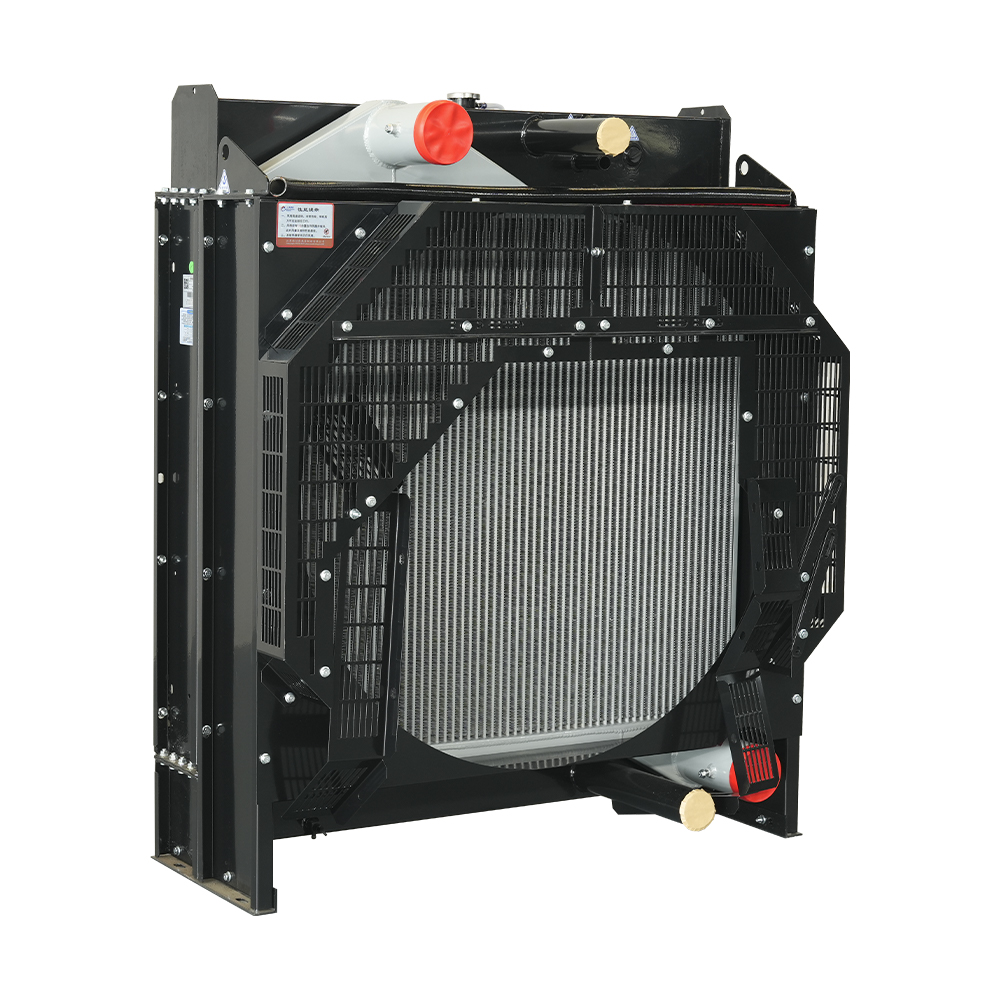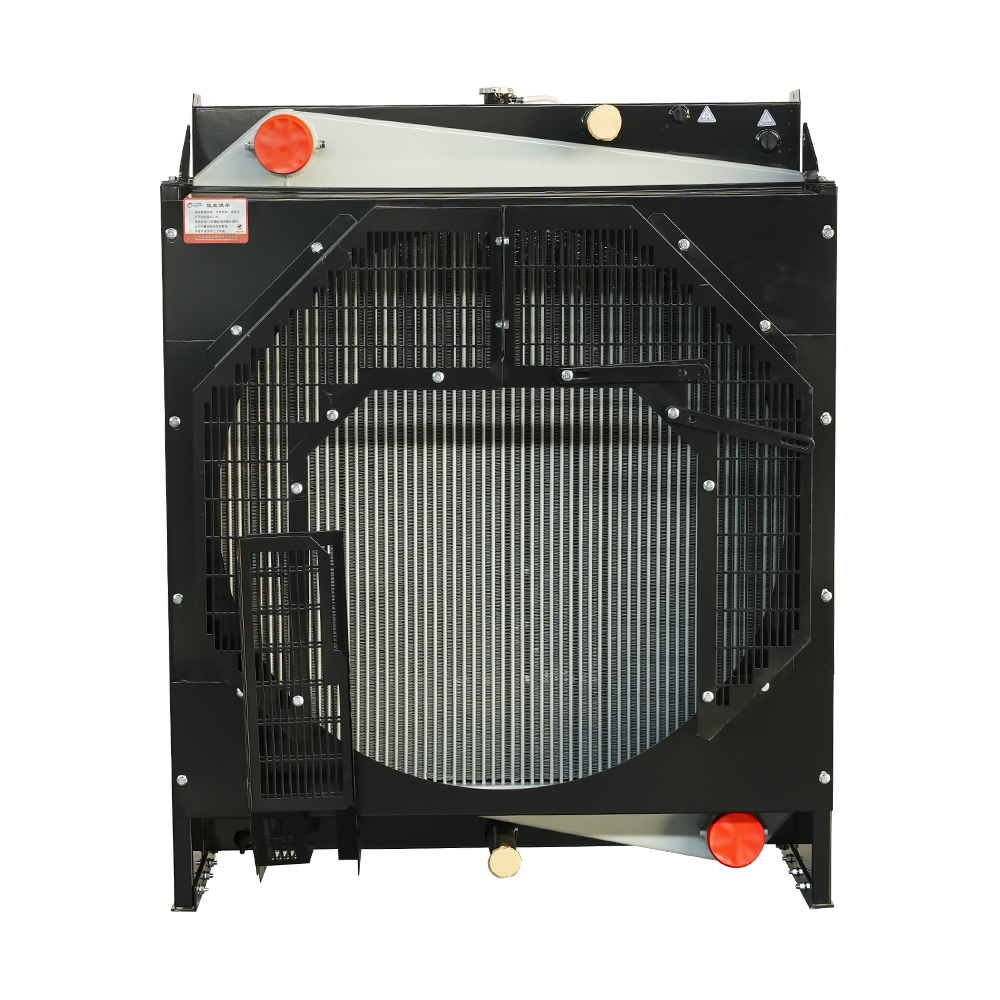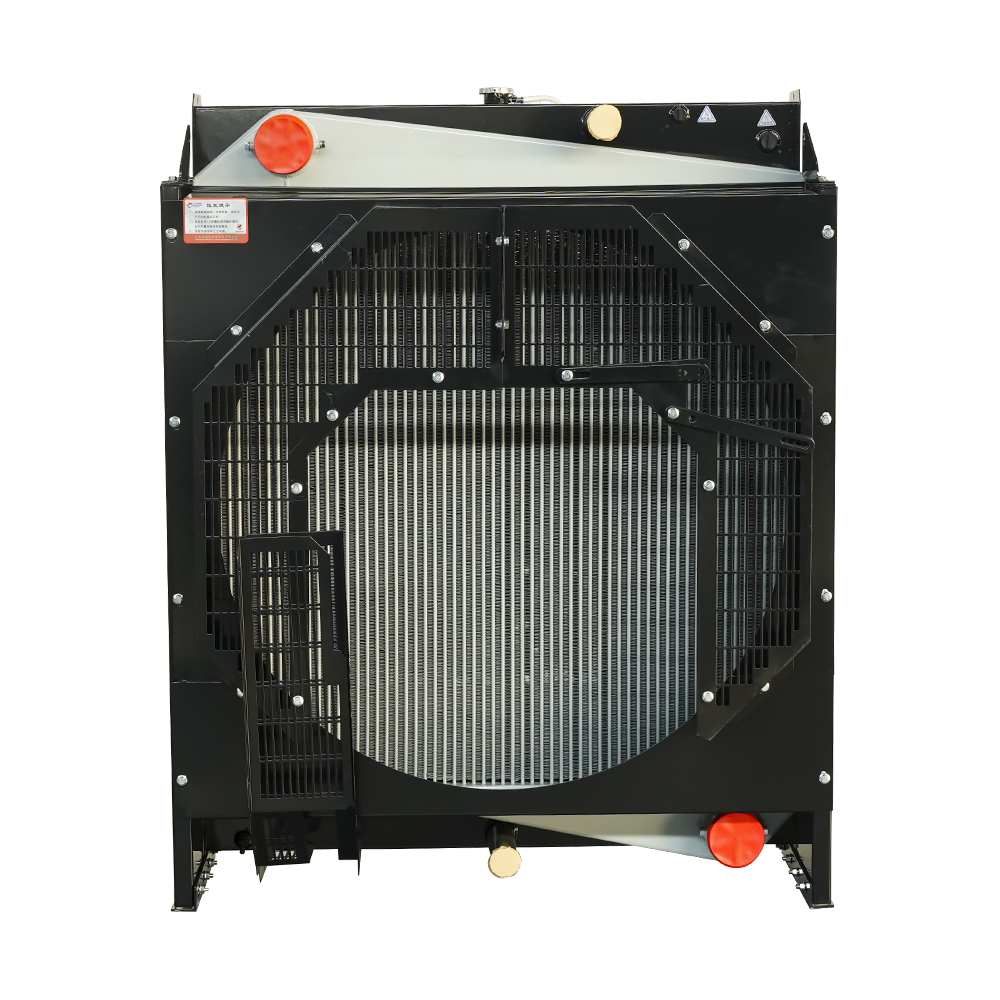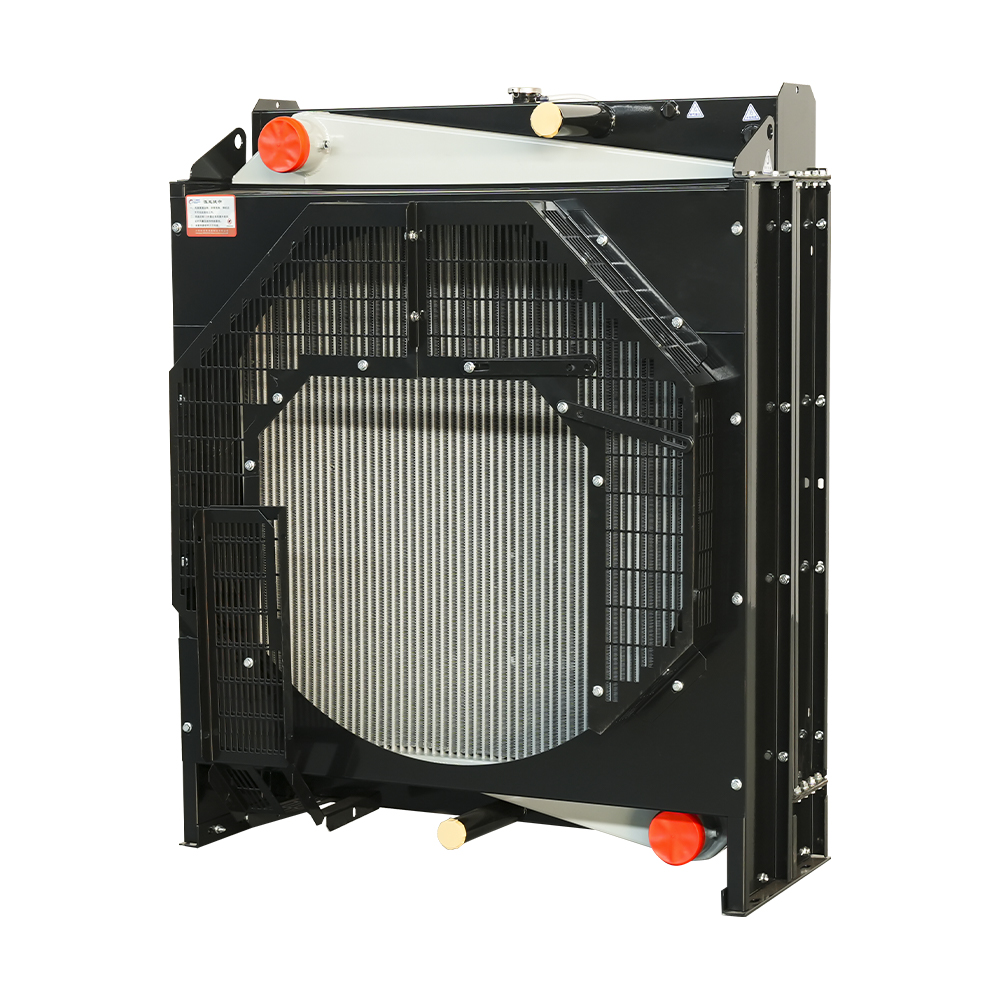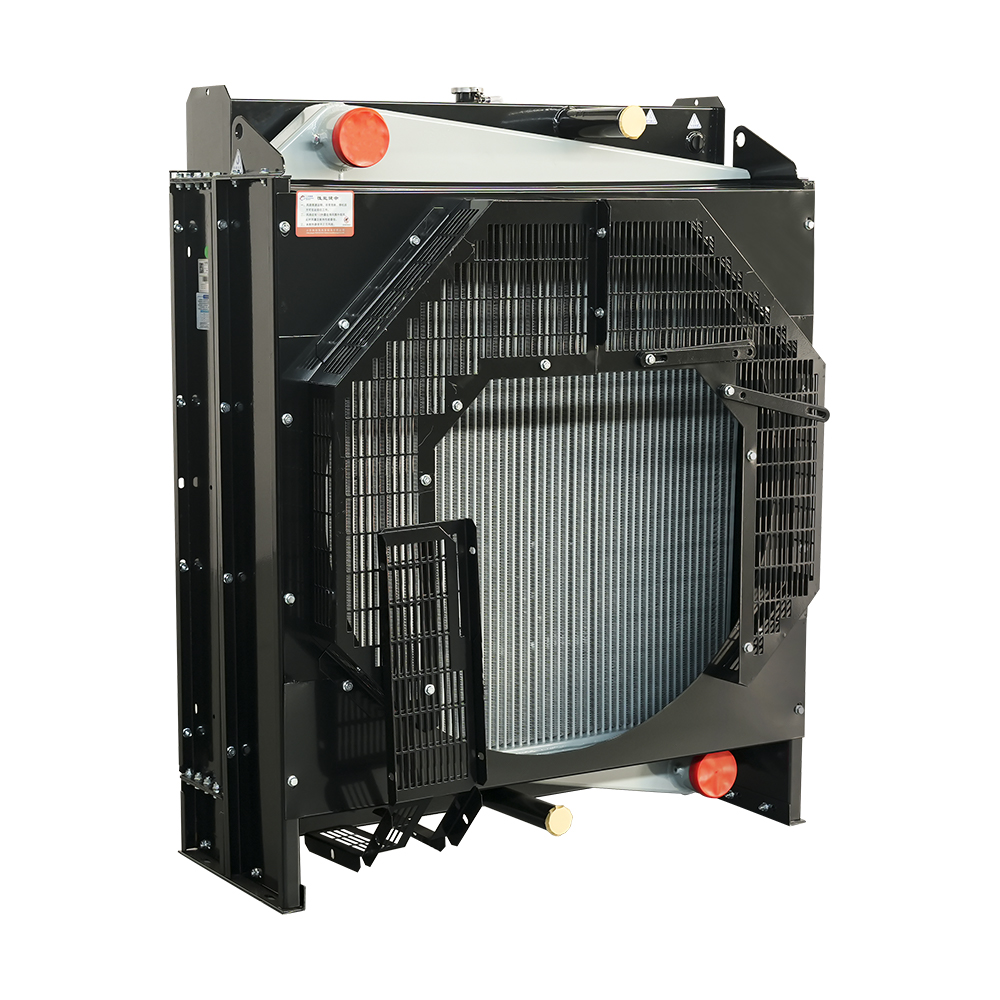

이동식 동력 트럭에 맞게 제작된 이 라디에이터는 소형 인클로저에 적합하면서도 높은 냉각 용량을 제공합니다. 내구성이 뛰어난 코어와 진동 방지 마운트는 운송 및 현장 작업 중 성능을 보장합니다. 이벤트, 비상 전원 공급 장치, 이동식 방송 장치에 이상적입니다.
| 핵심 소재 | 알루미늄/구리 |
| 냉각 용량 | 20kW – 2000kW |
| 핵심 차원 | 차량 통합을 위한 컴팩트한 형태 |
| 핀 구조 | 내진동성 튜브 앤 핀 |
| 작동 온도 범위 | -20°C ~ 50°C |
| 압력 등급 | 3.0바 |
| 표면 처리 | 방진 에폭시 페인트 |
| 장착 옵션 | 트럭 섀시용 맞춤형 브래킷 |
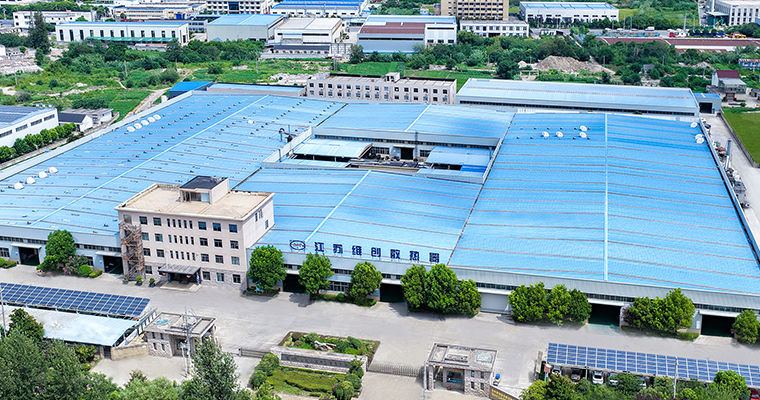
2003년 발전기 세트 및 라디에이터 제조로 시작하여, 현재는 30개 이상의 국가에 사업을 확장하고 250명 이상의 직원을 보유하고 있습니다. 발전기 세트 라디에이터 분야의 확립된 R&D 및 제조 기업으로서, OEM 파워 트럭 발전기 라디에이터 제조업체 및 파워 트럭 발전기 라디에이터 공급업체, 60,000제곱미터가 넘는 두 개의 표준화된 생산 기지를 운영하고 있습니다. 50명 이상의 핵심 엔지니어로 구성된 기술 팀을 통해 R&D, 생산, 테스트를涵盖하는 포괄적인 산업 시스템을 구축하여 연간 150,000대/세트의 생산 능력을 달성했습니다. 파워 트럭 발전기 라디에이터 공장로서, 제품 품질, 높은 효율성 및 납기 보장을 위한 전문적인 고급 판금 라디에이터 제조 장비를 갖추고 있습니다.
뉴스 및 정보
Industry Knowledge
A power-truck installation adds continuous vibration, shock, and torsion that stationary sets rarely see. For a Power Truck Generator Radiator, the core-to-tank joints and mounting points are typically the first fatigue locations—especially when the chassis twists on uneven roads.
When buyers tell me the truck will run long distances between sites, I always prioritize the mount strategy first—cooling capacity only matters if the core survives transport.
Many mobile applications run higher airflow variability and faster heat swings. A radiator with a 3.0 bar pressure rating helps raise the boiling point and reduces localized nucleate boiling in hot spots—useful when the truck is idling in traffic or powering a load in a tight enclosure.
If you’re specifying a power truck generator radiator for harsh duty, I recommend treating cap choice and degassing layout as part of the “core spec,” not an afterthought.
Published cooling capacity ranges look reassuring, but mobile power trucks often have compromised inlet/outlet paths. The real constraint is usually recirculation (hot discharge air being pulled back into the intake), especially with side vents and short ducting.
For mobile units, I like to see airflow verification (even a simple smoke test) before finalizing the radiator size—small duct tweaks often unlock stable temperatures.
An operating range of -20°C to +50°C is meaningful only if the system also accounts for altitude, load profile, and intermittency. Power trucks frequently cycle between transit idle and high step-load—thermal inertia and control response become part of the cooling design.
| Operating condition | Common risk | Buyer-side specification action |
|---|---|---|
| High ambient, low vehicle speed | Air recirculation, fan inefficiency | Demand shroud geometry + intake/exhaust separation details |
| Frequent step-load events | Transient overheating, control lag | Specify reserve capacity and confirm thermostat/bypass routing |
| Cold start below freezing | Overcooling, condensation, poor combustion | Confirm warm-up strategy (shutters, control logic, or heater integration) |
If you share your duty cycle (site runtime, load steps, ambient), I can usually help narrow the radiator configuration faster than guessing by nameplate kW.
Downtime costs on a power truck are rarely just “a radiator problem”—it’s the lost job slot, the emergency callout, and the logistics. A well-specified Power Truck Generator Radiator should make maintenance predictable and repair decisions obvious.
Buy for the service path, not just the first install—mobile power is unforgiving, and a radiator that’s easy to clean and swap keeps your truck earning.



 中文简体
中文简体